Showing posts with label Texas. Show all posts

Monday, December 9, 2024

Guadalupe Mountains, Texas and New Mexico

Our Lady of Guadalupe on a wall in Oaxaca, Mexico (2007).
(Click images to view larger)

In 1531, a Mexican peasant named Juan Diego and his uncle, Juan Bernardino, reported seeing several apparitions of the Virgin Mary, a.k.a. the Virgin of Guadalupe and Our Lady of Guadalupe, near Mexico City. Subsequently, depictions of the purported traveling virgin became iconic, and innumerable places throughout Mexico and the Southwestern U.S carry her name. On a recent outing, we visited the Guadalupe Mountains of SE New Mexico and West Texas, a National Park and home to Carlsbad Caverns and it’s Brazilian free-tailed bat population, which had already migrated south for the winter when we were there, leaving only its guano behind. Summer visitors can watch thousands of bats emerge from the cave at dusk and spiral into the night sky.

Mid- to late-November is autumn in West Texas, but fall color doesn't come to mind in the desert, so we were surprised to learn that trailheads would likely be packed with leaf-peepers. After the five-hour drive from Silver City, we walked to Smith Spring, a short hike into the foothills from a historic ranch. A ranger told us that autumn foliage at the spring was spectacular despite peaking a week or so earlier, but we were skeptical as we walked across the Chihuahuan desert towards a dry-looking canyon. But inside the canyon, clear pools of water seeping from a sandstone layer beneath limestone cliffs created a wet micro-environment supporting a lush grove of yellow Gambel’s oak, red and yellow bigtooth maple, bright green ferns and grasses, and a few pale yuccas and cacti to remind us that the desert wasn’t far away. It was surprisingly spectacular. 


We spent the rest of the week exploring the Guadalupes and Carlsbad Caverns. We hiked up Guadalupe Peak, the highest point in Texas (8,751’), and looked down on a limestone buttress called El Capitan. Larry Scritchfield and I bootlegged a mountain bike ride beneath El Capitan on a rest day during a Hueco Tanks climbing trip sometime in the 1980s or 90s (I can’t remember exactly when) before the Park was so popular (and so well patrolled) and before I had a bike with shocks. Ellen and I hiked into McKittrick Canyon, another autumn color destination where a petroleum geologist named Wallace Pratt built an inviting stone cottage in the 1930s that he later donated to the Park. We climbed the three easiest rock routes in Last Chance Canyon, a limestone gorge north of the Guadalupe Mountains know for harder climbs in steep alcoves. And we hiked 750’ down into the earth through Carlsbad’s natural entrance on the switch-backing asphalt tourist trail. It led us and a bunch of other people, some making videos of every feature with their phones (I pity their friends and families), through a labyrinth of passages and rooms and eventually to the underground restrooms and snack bar (closed) near the elevator that most visitors use to exit the cave. We chose to hike out the way we’d come in and were lucky to have the cavern to ourselves after the last tourist entries at 2:30 p.m. passed us on their way down.


We’re told that spring is also lovely in the Guadalupes, with wildflowers and white madrone blossoms set off by the mahogany-brown bark. We'll return, and if we’re lucky, Our Lady of Guadalupe might appear in our latte foam at the Blue House Cafe in Carlsbad if we stop there to for a pastry and a pick-me-up on our way home. 

Smith Spring in Guadalupe National Park. 

Yellow bigtooth maple at Smith Spring.

Fall colors at Smith Spring.

Limestone fins in viewed from the trail up Guadalupe Peak.

El Capitan from the Guadalupe Peak Trail with West Texas stretched out to the south. 

Ellen near the summit on the Guadalupe Peak Trail.

A lone bigtooth maple in McKittrick Canyon.

Looking down into the maw of Carlsbad Caverns from the natural entrance. The trail descends 750 vertical feet into the cavern but doesn't reach the lowest levels.

The Virgin of Guadalupe peers out from a window in Oaxaca, Mexico (2007).


Friday, June 14, 2024

Livin' in a Hot Place


An ocotillo in the hot New Mexico sun.
(Click images to view larger

In southern New Mexico and Arizona, the heat arrives in early June when the jet stream drifts poleward and high pressure creeps in from Mexico chasing the cooler air north. For at least a month until the monsoon begins, the sun drills down from cloudless skies and heat rises from the parched ground. With almost no humidity, the sun hits like a hammer.  

When we were in Kashgar, China in 2006 during the oppressive heat of the Central Asian summer, locals carried beds into their yards to sleep. In the warm evening after the sun relented, Uyghur men gathered around outdoor television sets smoking and talking in the light of flickering screens while outdoor food markets came alive with families socializing and eating fat-tailed sheep cooked on spits over smoky fires and sprinkled with spices. 


My mother died in May on a hot day in Cedar Park, Texas where she’d lived since leaving the humid swelter of the mid-Atlantic. She spent most of her 90 years in hot places, growing up in Enterprise, Alabama before air conditioning was the norm. Her father helped build the Pan American Highway, toiling in the tropical heat of Central America, a cigar clamped in his teeth. Later, he owned a furniture store where as kids we’d leave the coolness of the showroom to explore the hot dusty warehouse, shared with a feed store where a pet monkey swung from the rafters. On the street, men sold soggy bags of boiled green peanuts in the heat.


Extremes at both ends of the thermometer breed story tellers and songwriters. In wintry places, they huddle around fires, entertaining each other, their backs to the cold. Where it’s hot, they languish on porches, facing outwards from the shade into the bright sun, making up new stories and retelling old ones, glad they aren’t out in that infernal heat.


Heat in literature and movies is at least as evocative as location, enveloping us in its pall. Characters sweat and chafe, and passions run high. A writer (unnamed at the link below) observed that: 


“Humanity ferments in the heat. People become visceral, bodies betray minds with their baseness. Morals loosen along with muscles. Secrets spill out of open windows, buttons come undone. And while in reality we might groan more with perspiration then passion, fictional characters can be far more comfortable getting hot under the collar without so much as a desk fan for relief.” (Penguin Books)


Robert Earl Keen and Lyle Lovett wrote the iconic The Front Porch Song watching East Texas pass by during a hot summer in College Station while trying to avoid being Texas A&M students. “This old porch is just a weathered, gray-hair seventy years of Texas,” Keen wrote. He mixes humor and nostalgia during live performances, pausing mid-song to describe his landlord dragging him off of the porch into the heat to help with chores:


“…our conversations were only interrupted by my landlord, Jack Boyett, who was 70 years old at the time. He’d roll up in the heat of the day and roll down the window on his pickup truck just enough to be heard and not enough to let any of the air conditioning escape, saying, ‘Robert Keen, Robert Keen. Can you come help me for a minute? I’d spend the rest of the day mowin’ lawns, movin’ furniture, diggin’ skinny cows out of the mud out there at his old ranch.”


Heat rounds off the edges and stretches out the vowels. The Southern Drawl. The Texas Twang. Slide guitar. Fatty food. It’s too hot for crisp transitions.


Landscapes that invited exploration in the cool of winter become barren hellscapes in triple-digit heat. Soap tree yuccas shimmer. Sand burns bare feet. Dust devils spin across white hot playas. Snakes come out. We go into the mountains looking for cool mornings and places to swim, hoping not to be squeezed off the tops of them by the warming climate, lucky if we have the means to migrate. 


But the heat is part of living in a desert, and just as we embraced the Wyoming cold, we will learn to tolerate New Mexico heat, getting up earlier to walk, napping, trimming the cat’s fur, drinking ice water. A little heat is a small price to pay for a long mild winter, and even in the worst of it, the evenings are perfect if you stay far enough back from the bbq grill.


Uyghur men in Kashgar after the sun has left.

A Uyghur boy pushes fat-tailed sheep on a market day in Kashgar.


My mother, Barbara McCall, on her porch in Enterprise, Alabama with pets. She lived in hot places (with pets) her whole life, and even kept her apartment in Texas at 80 degrees when she could turn the heat up that high.

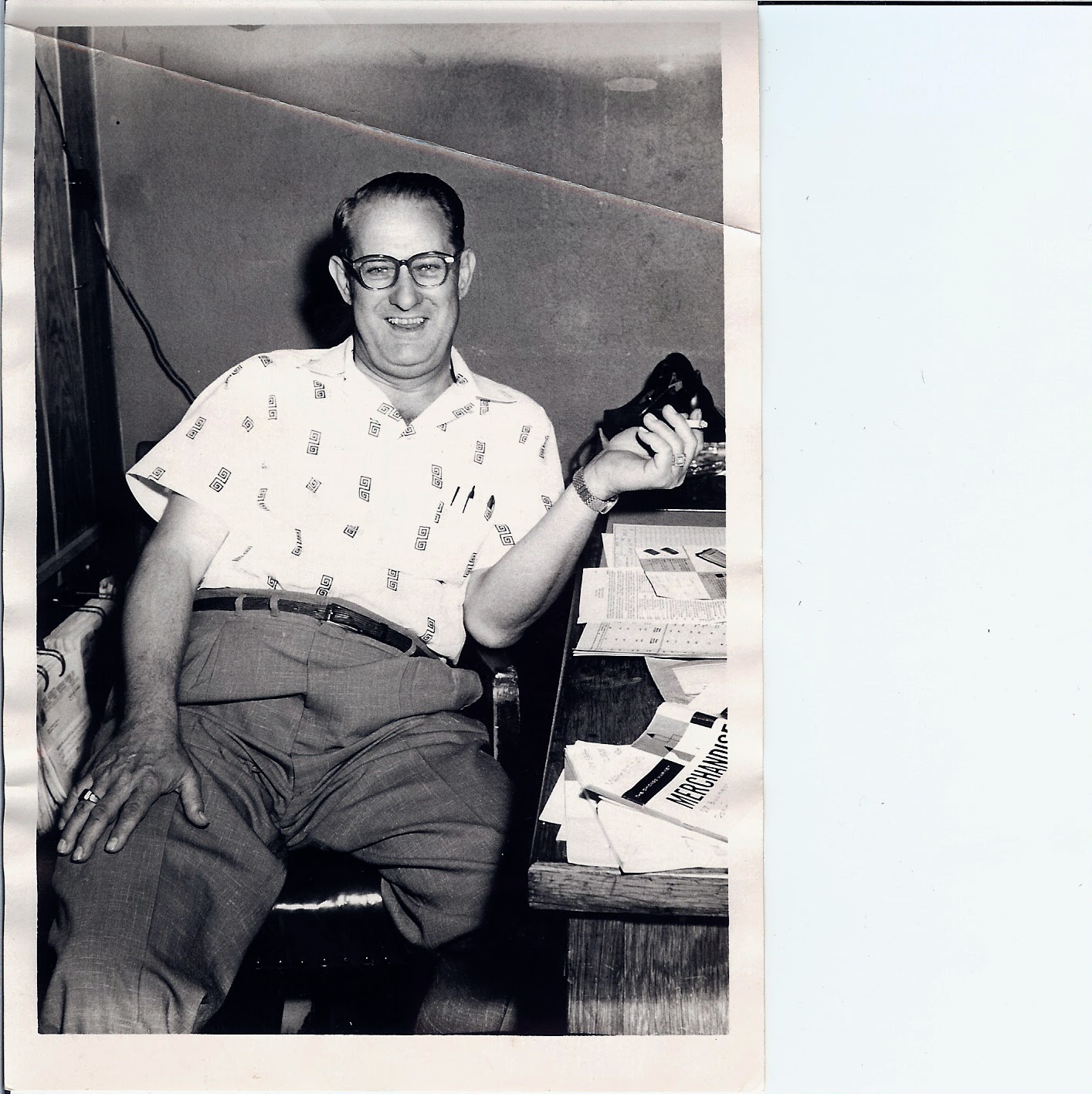
My grandfather, Oscar Lee McCall, at his desk in his furniture store in Enterprise.

The view into Mexico from the Outer Mountain Loop in Big Bend National Park. Big Bend was so hot when we were there in February 2022 that we started hiking well before dawn. Later in the year, people routinely succumb to the heat.

A porch in West Texas.

Rollin' Smoke BBQ in Anthony, Texas.

Wednesday, November 23, 2022

Packrafting: Boquillas Canyon in Big Bend National Park

Texas Highway 2627 heading south to the Heath Ranch.
(Click images to view larger)

In February (2022), well into a long drought, the Rio Grande trickled through Boquillas Canyon, the limestone defile defining the U.S.-Mexico border and the southeast boundary of Big Bend National Park; later in the year it dried up altogether. The river emerges from the deep canyon into dry scrubby ranchland, eventually passing under a barricaded bridge blocking passage between the Heath Ranch, where Ellen and I took-out at the end of a three-day packraft trip, and the abandoned town of La Linda in Mexico, where a few deteriorating homes and a church remain. Russell Johnson, whose parents own the ranch, told me that as a kid he often crossed the bridge with friends to explore La Linda, but these days the Mexican Federales are too scary, so he stays on the U.S side, driving river shuttles for people like us and working to make the ranch into a destination for river runners. 


Ellen in her packraft after exiting Boquillas Canyon. The metal fire pan is required by the park service even if you don't intend to have fires.


We’d launched our packrafts about 35 miles upstream at the Rio Grande Village, a tourist enclave in the park, battling a ferocious headwind with a handful of other boaters, all clinging to vegetation to keep from being blown back to the put-in. Flowing at about 70 cfs, less than half of the recommended minimum of 150, the current was too sluggish to overcome the gale, and it was all we could do to paddle the first few miles past the Mexican village of Boquillas Del Carmen to the mouth of the canyon where we’d hoped that the limestone cliffs would provide some shelter; instead, the wind blew harder, funneling through the gap. We huddled there for an hour or so, hiding from the wind in the tamarisk and checking out the collection of items left on the ground for sale by Mexican villagers from Boquillas, relying on the honor system for payment. The blowing sand stung our faces when the wind gusted, and eventually we convinced ourselves that we could make progress. Back in our boats paddling frantically between gusts, we fought our way to a cold windy campsite among thorny sweet acacia trees thick with their puffy orange flowers. 


Packing for the trip at our campsite in Rio Grande Village.

Rigging boats at the put-in. Dog in stroller is someone else's interested observer.

Ellen briefly enjoying relatively calm paddling before the maelstrom hit.

Other paddlers hoping for strength in numbers against the wind near the mouth of the canyon.

Items for sale by villagers from Boquillas del Carmen. 

The canyon mouth where limestone cliffs funneled the wind.

Ellen feeling excited about camping in a thorny, windy, cold place.
 

The rest of the trip was warmer, calmer, and less eventful. The few rapids were inconsequential in low flow, and the challenge was butt-scooting our rafts across shallows rather than negotiating rapids, minimal even at normal flows. Boquillas Canyon is spectacular. Limestone walls rise hundreds of feet above the river, riddled with inaccessible alcoves. Side canyons invite exploration and towers beg to be climbed, though rock quality is rumored to be poor. 


Heading downriver on day 2.

Ellen on day 2.

Boquillas Canyon on day 2.

Big Bend Sliders (turtles). We saw lots of these sunning themselves along the river.

Rabbit Ears Spire in the lower part of the canyon. Climbed? Unclimbed?


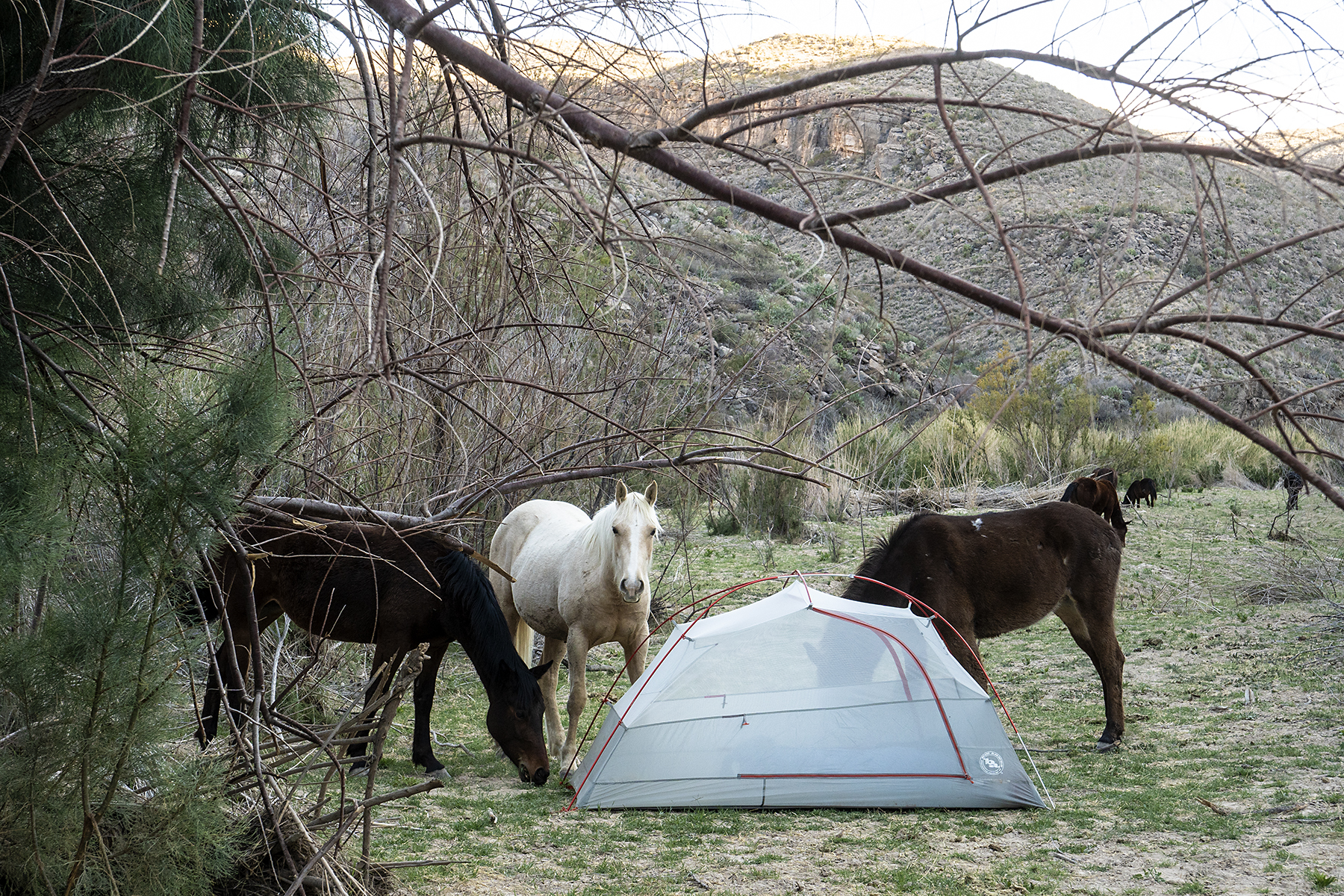
We camped the second night where we could scramble up a steep sandy bank and find our way through thorny riparian vegetation to a broad bench grazed by Mexican horses and cattle. Two caballeros, smiling and waving, had splashed their horses across the Rio Grande in front of us earlier that day, unconcerned about the international border. At camp, a horse nibbled at our tent and spooked, surprised by the feel of lightweight fabric on its tongue.


Setting up our second camp.

Curious horses wondering if tents might be good to eat.


Low water boating has been the theme of our nascent packrafting experiences. On the John Day in Oregon in 2021 (earlier blog post), there was enough water to float lazily along, but the small rapids were reduced to riffles, and route-finding was more of a challenge than pushy water. Later in the spring (April 2022) after Big Bend, we floated the Escalante from Fence Canyon to Coyote Gulch (blog post to come) at very low water and exhausted our already fading core muscles scooching the boats across gravel bars. While persistent drought in the southwest has more serious consequences than inconveniencing packrafters, one worries that the already small windows for floating desert rivers could close altogether.


Does the river end here? Not yet, but finding shallow passages around gravel bars was challenging.

Ellen paddling in flat water after leaving the canyon. 

Lunch on the last day.

Still water.

It was hot as I walked the two-track from the take-out, climbing over a locked gate and continuing up a long driveway to the Heath ranch to retrieve our van and borrow the gate key. Ellen stayed behind deflating rafts and organizing gear while a large group took-out and set up camp by the river. After an enthusiastic greeting by their friendly ranch dog, Russell and his mother offered us camping at the end of the seldom-used asphalt runway that extended from just north of their house up and over a hill and back down to a private level spot out of view of the ranch. Having chosen privacy over the river camp, we drove the runway to this surprisingly peaceful camp with views south into Mexico and north into Texas. After spreading our gear on the tarmac to dry, we cleaned up, cooked dinner, and enjoyed the warmth and fading light of a South Texas February day. 


Drying gear on the Heath Ranch runway.


Memories of trips evolve until all that’s left are a few defining moments, sometimes surprisingly mundane compared to the adventure. That evening on the runway after the float is one of these for me. We sat in our camp chairs as the sun sank behind the ridge to our west and the air cooled. Mountain peaks in Mexico lit up for a few minutes against a darkening sky and a few stars appeared. It’s seldom the paddling or the hiking you think most about months after an adventure. 


Our camp at the end of the trip.

The runway leading back to the Heath Ranch house.


Logistics: A permit is required from the Park Service for the float. You must carry a metal fire pan and an extra paddle and life preserver, even if you aren’t building fires. Put-in just upstream from Rio Grande Village in the park and take-out at Heath Ranch about 10 miles east of the park—call the ranch for permission; they are very friendly and offer camping. Charge is $10/night for parking your vehicle at the ranch. Russell Johnson or his mother will probably do the shuttle—you pick them up at the ranch and drive back to the put-in with them. Then they drive your car back to the ranch, so plan on that time and gasoline for the shuttle (you can get gas in the park but it’s expensive). We bought a river guidebook from the Big Bend Natural History Association but didn’t find it that helpful. There are two named rapids, both of which can be portaged. Camping isn’t too hard to find though as I said, the banks can be scrappy. You are asked to camp on the U.S. side. There’s more info from the park service at this link.


Wednesday, November 23, 2011

Cousins in Austin, Texas

                                            Bei and her cousins at Pedernales Falls near Austin.

My daughter, Bei (farthest left in photo), and I just spent a long weekend in Austin, Texas, visiting my two sisters and their kids. The weekend was a whirlwind of BBQ ribs, brisquet, and margaritas, with a couple of trips out into the Hill Country thrown into the mix.  The highlight for me was a days spent at Pedernales Falls State Park, an hour or so NE of Austin.  The infamous drought has left the river low, but still beautiful, lined by bald cypress trees and riddled with crystal clear swimming holes for the kids (yes, you can swim in Austin in November).  I shot the portrait as we hiked back to the car at the end of the day, in time to have dinner at the Salt Lick, a sprawling and famous BBQ restaurant on the SE side of Austin.

Photo info:  Nikon D700, 28-75 Tamron lens at 40 mm, f 8.0, 1/125 sec., SB800 flash camera right, diffused.