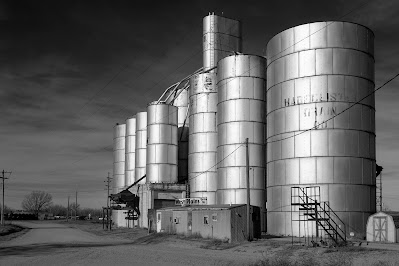
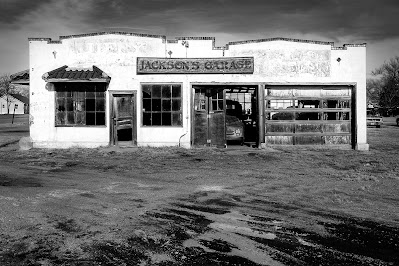
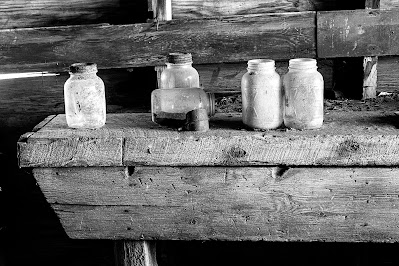
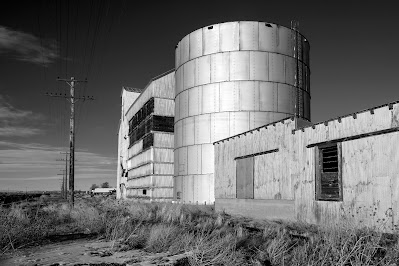
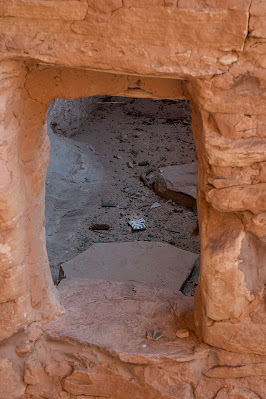
Empty marquis. Granville, IL.
I drove twice this summer (2022) from Laramie to Tidewater Virginia where my parents retired over twenty years ago. My father died in 2019, but my mother clung to their home on the Chesapeake Bay as long as she could before reluctantly moving to Austin, Texas in July, closer to family but far from her Gloucester friends.
I grew up in Northern Virginia, but after my first glimpses of the West, I was eager to leave. A family road trip in the mid-1970s took us through Wyoming, sealing my fate, and I moved to the Tetons soon after college. My father's parents loved the Tetons, visiting in the 1940s and spending time on Jenny Lake. Eisenhower's interstate highway project didn't begin until the 1950s, and for Easterners, trips "out West" were slower; small towns with their "classic" diners and gas stations interrupted two-lane highways devoid of fast food.
After World War II, the Midwest thrived for a time (see Flora and Flora 2014) even as the seeds of its decline took root. Towns bypassed by the new interstate highways eventually faltered, corporate agriculture subsumed family farms, and opportunity lured young people to cities.
I deliberately stayed off the interstates on my first drive east this summer, hoping to photograph small towns along the way ala Stephen Shore, but I was plagued from Colorado to Virginia by relentless rain. St. Louis was inundated soon after I passed through, and later in the summer thousand-year floods devastated Eastern Kentucky. I stopped to photograph when the rain slowed, but the trip left me wishing I had more time and better weather.
I've heard the rural Midwest described as "hollowed out" but despite boarded-up storefronts and empty streets, stone and brick architecture transcends the crass and impermanent suburbs and strip malls that have replaced them. The country is divided and much grievance festers in this "flyover country," festooned with Trump banners and American flags, maybe because people struggle to find someone or something to blame for so much loss.

Abandoned house. County Road 119, Colorado.

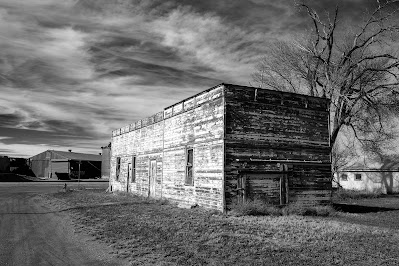
Abandoned building, highway 14, New Raymer, CO.

Window displays, New Raymer, CO.

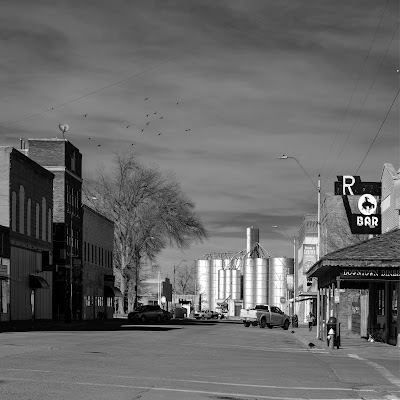
John Deere and grain elevators, New Raymer, CO.

Interior, northwest Kansas.

Interior, northwest Kansas.

Easy chair, northwest Kansas.

Broom, northwest Kansas.

Kansas plains.
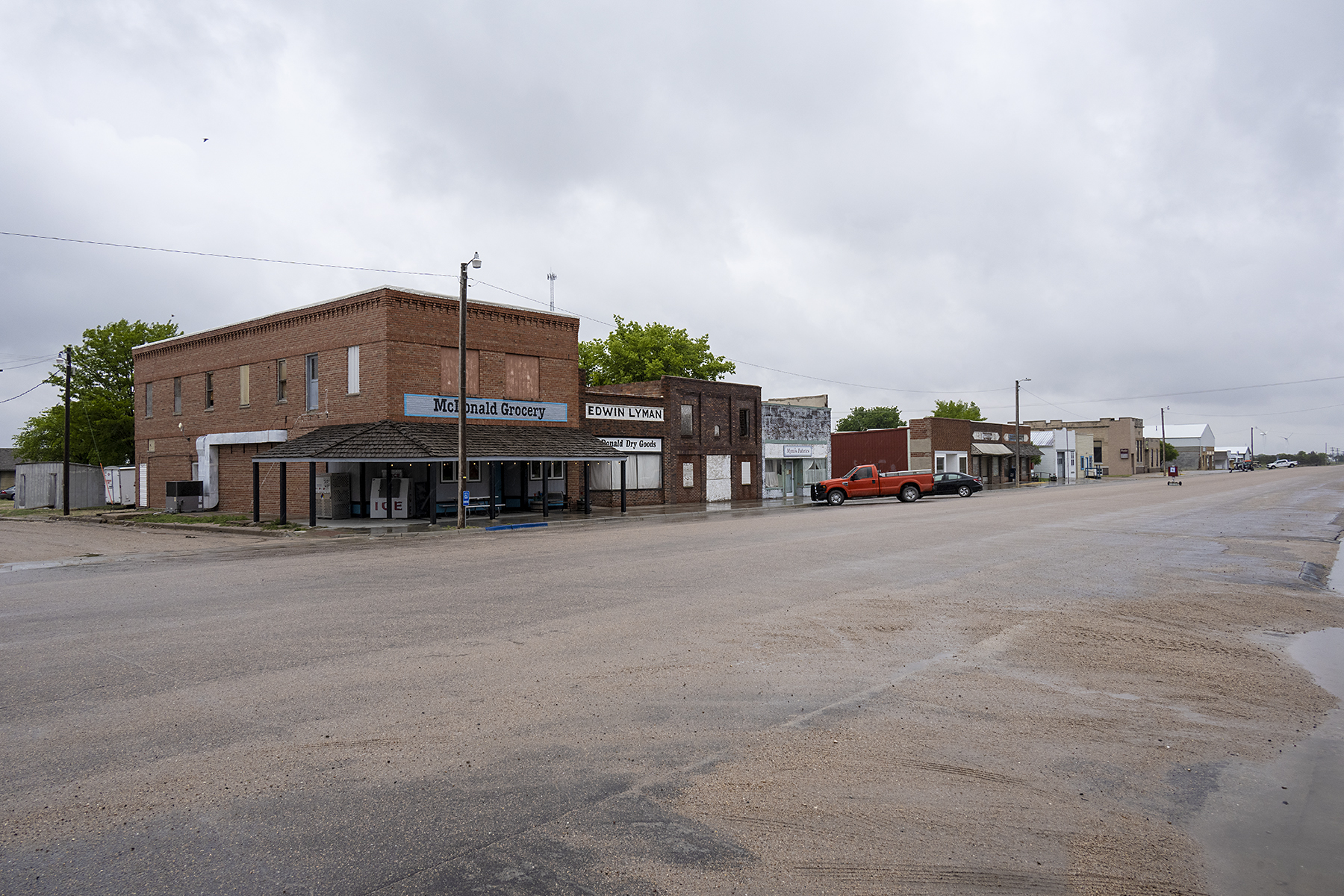
MacDonald, Kansas.
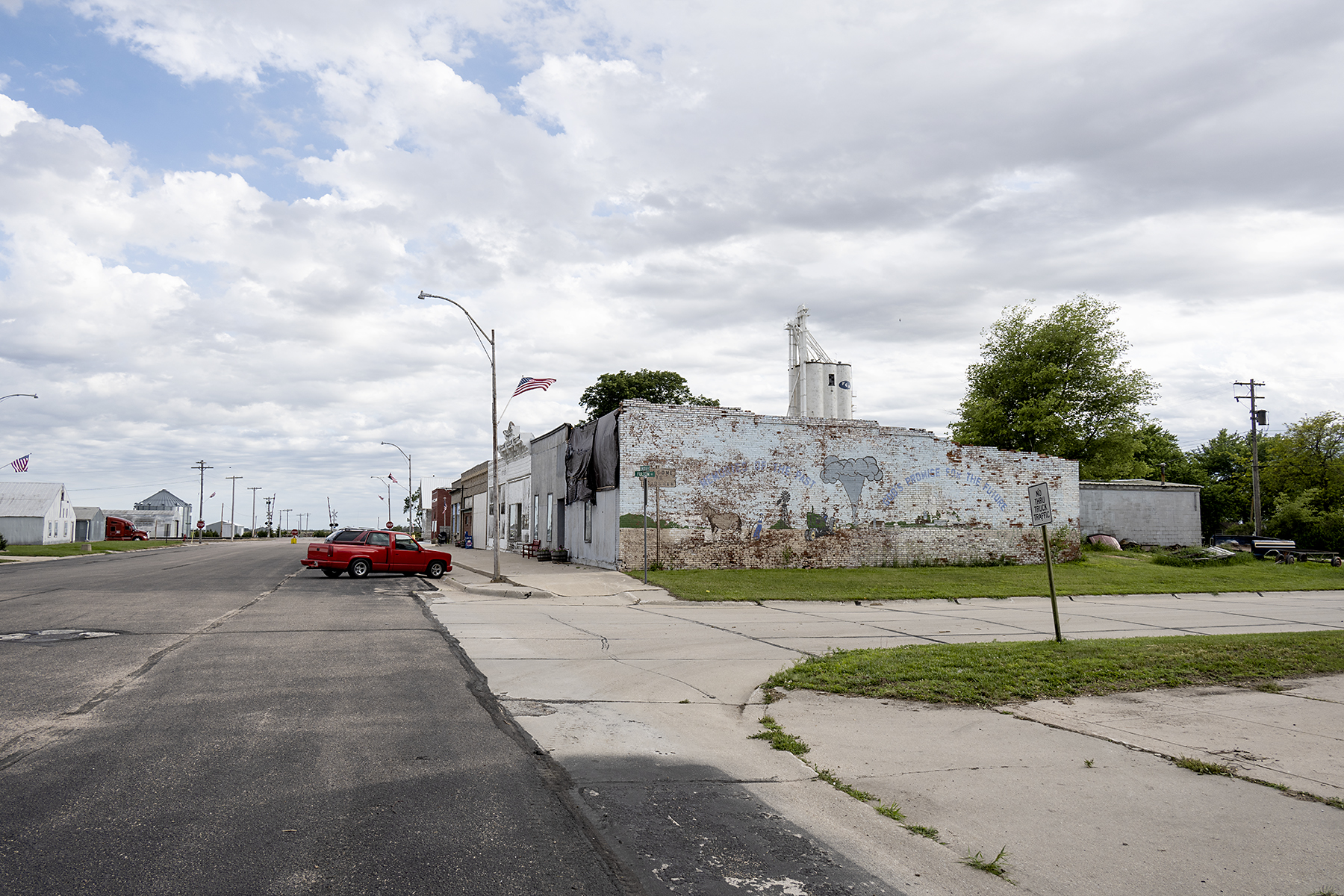
"God's Promise for the Future" (mural), Bradshaw, Nebraska.

Tilted building, Norcator, Kansas.

Abandoned farmhouse, Rt. 24 west of Clay Center, Kansas.

Troughs west of Clay Center, Kansas.

Farm interior west of Clay Center, Kansas.

Drilling equipment, Carmi, Illinois.

Empty church, Hwy. 168, Indiana.

Church interior, Hwy. 168, Indiana.

Fire hydrant, Hwy. 168, Indiana.

Cook's Marine, Georgetown, Indiana.

Dehart's Bible and Tire. Morehead, Kentucky.

Hinton Hardwoods, Hinton West Virginia.

Hinton, West Virginia.

Manequins, Rts. 3 and 12, West Virginia.

Vegetation, Blue Ridge Mountains.

Forks of Buffalo, Virginia.