Showing posts with label Kashgar. Show all posts

Friday, June 14, 2024

Livin' in a Hot Place


An ocotillo in the hot New Mexico sun.
(Click images to view larger

In southern New Mexico and Arizona, the heat arrives in early June when the jet stream drifts poleward and high pressure creeps in from Mexico chasing the cooler air north. For at least a month until the monsoon begins, the sun drills down from cloudless skies and heat rises from the parched ground. With almost no humidity, the sun hits like a hammer.  

When we were in Kashgar, China in 2006 during the oppressive heat of the Central Asian summer, locals carried beds into their yards to sleep. In the warm evening after the sun relented, Uyghur men gathered around outdoor television sets smoking and talking in the light of flickering screens while outdoor food markets came alive with families socializing and eating fat-tailed sheep cooked on spits over smoky fires and sprinkled with spices. 


My mother died in May on a hot day in Cedar Park, Texas where she’d lived since leaving the humid swelter of the mid-Atlantic. She spent most of her 90 years in hot places, growing up in Enterprise, Alabama before air conditioning was the norm. Her father helped build the Pan American Highway, toiling in the tropical heat of Central America, a cigar clamped in his teeth. Later, he owned a furniture store where as kids we’d leave the coolness of the showroom to explore the hot dusty warehouse, shared with a feed store where a pet monkey swung from the rafters. On the street, men sold soggy bags of boiled green peanuts in the heat.


Extremes at both ends of the thermometer breed story tellers and songwriters. In wintry places, they huddle around fires, entertaining each other, their backs to the cold. Where it’s hot, they languish on porches, facing outwards from the shade into the bright sun, making up new stories and retelling old ones, glad they aren’t out in that infernal heat.


Heat in literature and movies is at least as evocative as location, enveloping us in its pall. Characters sweat and chafe, and passions run high. A writer (unnamed at the link below) observed that: 


“Humanity ferments in the heat. People become visceral, bodies betray minds with their baseness. Morals loosen along with muscles. Secrets spill out of open windows, buttons come undone. And while in reality we might groan more with perspiration then passion, fictional characters can be far more comfortable getting hot under the collar without so much as a desk fan for relief.” (Penguin Books)


Robert Earl Keen and Lyle Lovett wrote the iconic The Front Porch Song watching East Texas pass by during a hot summer in College Station while trying to avoid being Texas A&M students. “This old porch is just a weathered, gray-hair seventy years of Texas,” Keen wrote. He mixes humor and nostalgia during live performances, pausing mid-song to describe his landlord dragging him off of the porch into the heat to help with chores:


“…our conversations were only interrupted by my landlord, Jack Boyett, who was 70 years old at the time. He’d roll up in the heat of the day and roll down the window on his pickup truck just enough to be heard and not enough to let any of the air conditioning escape, saying, ‘Robert Keen, Robert Keen. Can you come help me for a minute? I’d spend the rest of the day mowin’ lawns, movin’ furniture, diggin’ skinny cows out of the mud out there at his old ranch.”


Heat rounds off the edges and stretches out the vowels. The Southern Drawl. The Texas Twang. Slide guitar. Fatty food. It’s too hot for crisp transitions.


Landscapes that invited exploration in the cool of winter become barren hellscapes in triple-digit heat. Soap tree yuccas shimmer. Sand burns bare feet. Dust devils spin across white hot playas. Snakes come out. We go into the mountains looking for cool mornings and places to swim, hoping not to be squeezed off the tops of them by the warming climate, lucky if we have the means to migrate. 


But the heat is part of living in a desert, and just as we embraced the Wyoming cold, we will learn to tolerate New Mexico heat, getting up earlier to walk, napping, trimming the cat’s fur, drinking ice water. A little heat is a small price to pay for a long mild winter, and even in the worst of it, the evenings are perfect if you stay far enough back from the bbq grill.


Uyghur men in Kashgar after the sun has left.

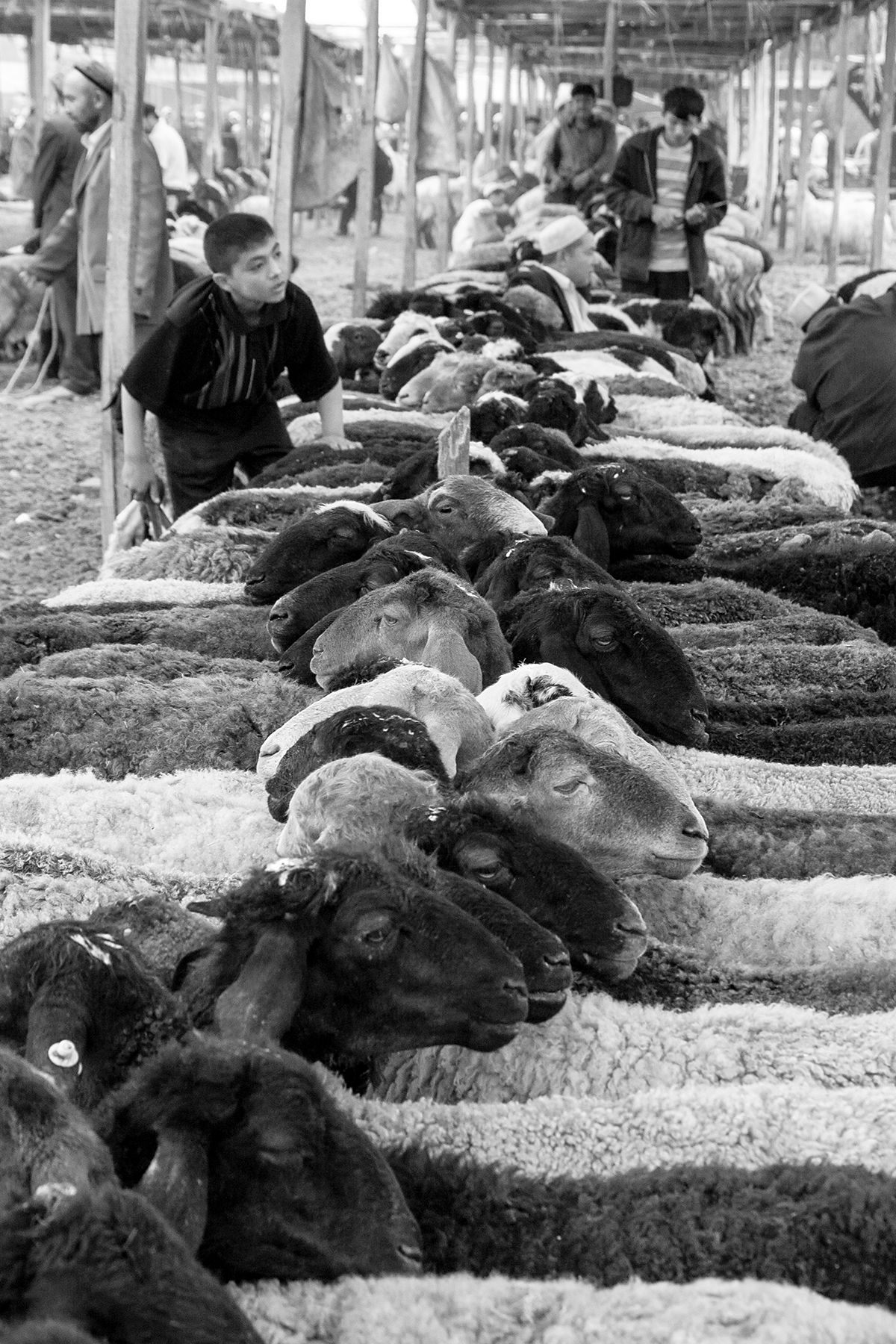
A Uyghur boy pushes fat-tailed sheep on a market day in Kashgar.


My mother, Barbara McCall, on her porch in Enterprise, Alabama with pets. She lived in hot places (with pets) her whole life, and even kept her apartment in Texas at 80 degrees when she could turn the heat up that high.

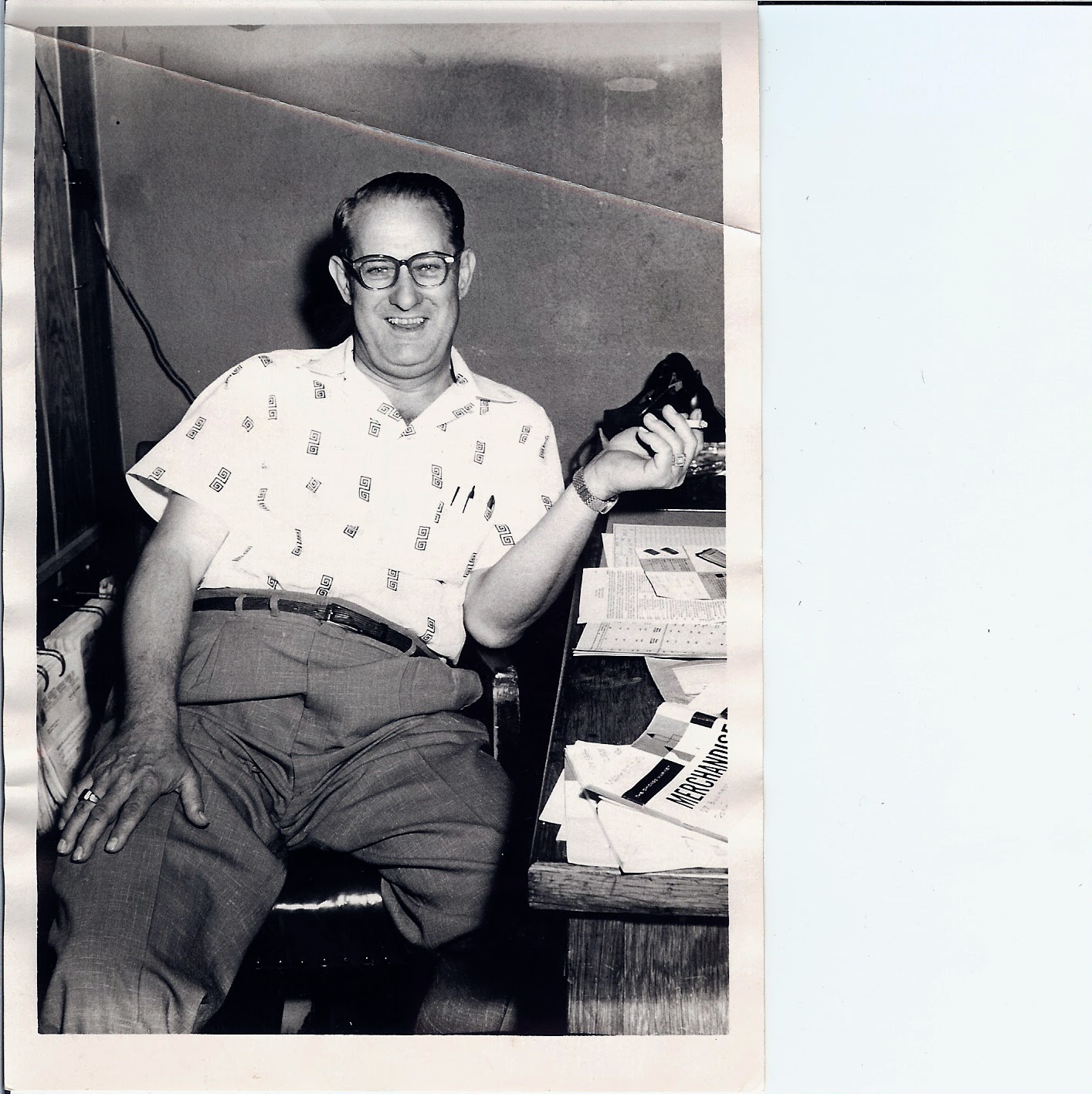
My grandfather, Oscar Lee McCall, at his desk in his furniture store in Enterprise.

The view into Mexico from the Outer Mountain Loop in Big Bend National Park. Big Bend was so hot when we were there in February 2022 that we started hiking well before dawn. Later in the year, people routinely succumb to the heat.

A porch in West Texas.

Rollin' Smoke BBQ in Anthony, Texas.

Saturday, March 4, 2023

Visiting the Past: Kashgar China, 2006


Window curtain, Kashgar, China. 2006
(Click images to view larger)

Ellen, Bei, and I visited Kashgar in 2006, near the end of a year teaching and traveling in China (see blog). Tensions between the Uyghurs and the Chinese government were rising, but we were largely unaware, more tuned into tensions between Muslims and Americans during the Bush administration’s “war on terror” following 9/11. In a dusty desert town on the edge of the Taklamakan desert, a man lounging on a motorcycle asked me what I thought of Bush, pronouncing his name with a long-u, while drawing his finger across his throat. 


Kashgar sits on the western edge of China’s Xinjiang Province and was an important Silk Road hub linking China to Central Asia and Europe. The predominantly Muslim Uyghurs, native to Xinjiang, are one of 55 minority ethnic groups recognized by China. Historically, Xinjiang has been controlled by Mongols, Russians, Turkic people, and Uyghurs, as well as the Chinese, but the PRC is quick to suggest that China’s cumulative control lasted longer than that of others. 


In response to ethnic unrest in 2009 and partly under the cover of antiterrorism measures after 9/11, the PRC came down hard on Uyghurs, branding them separatists, terrorists, and religious extremists and enacting measures to “assimilate” them into Chinese culture. These included closures of mosques, reeducation, mass arrests, establishment of internment camps, and destruction of traditional Uyghur sections of cities including Kashgar. Like in Tibet, economic incentives have drawn Han Chinese to Xinjiang, diluting the Uyghur population and culture. 


In 2021, the U.S. State Department accused the PRC of crimes against humanity and genocide in Xinjiang, adding to the growing tension between the U.S. and China. The Congressional Research Service published a useful summary of events leading to this determination, and detailed information is widely available online (e.g.here, and here), but in 2006 when we visited, much of this was in the future.


In Kashgar, we stayed at the Chini Bagh Hotel on what were the grounds of the British Consulate during the time of the Great Game when the British and Russian Empires vied for control of Central Asia and India. Bei was 5, and though keen enough to wander with her parents, eating lamb kabobs and visiting markets, I often left the hotel early to walk through the city with my camera. 


Most of us wish we could see with our own eyes what the world looked like before it was “modern,” a word applied to whatever age happens to be yours. Perhaps this nostalgia is more painful for photographers. Images of everyday life 25, 50, or 100 years ago evoke fantasies about the photos we might have made. Yet here we are, time rushing by, the envy of future photographers. Kashgar and the Uyghur culture was eroding in 2006 when we visited, but much remained that is now destroyed.


I recently ran across images by Carl Mydans (1907-2004), a documentary photographer who worked for the Farm Security Administration (FSA) in the 1930s along with Dorothea Lange and later for LIFE Magazine, covering WWII and spending two years as a Japanese prisoner after being captured while working in the Philippines. His experiences left him with a keen sense of history. Mydans once said, maybe a little dramatically:


All of us live in history, whether we are aware of it or not, and die in drama. The sense of history and of drama comes to man not because of who he is or what he does, but flickeringly, as he is caught up in events, as his personality reacts, as he sees for a moment his place in the great flowing river of time and humanity. I cannot tell you where our history is leading us, or through what suffering, or into what era of war or peace. But wherever it is, I know men of good heart will be passing there.


I recently reprocessed some of my images from Kashgar in 2006 realizing that I never included them in my China blog. There are a lot of images here, but they capture some of the diversity and liveliness, and some of what is now the history, of the city and the Uyghurs. I’m grateful to have been there.


Uyghur man, Kashgar.

Kashgar evening TV.

Street scene.

Young woman, old Kashgar.

Kids in the old part of Kashgar.

Young friends (or siblings?).

Woman and window.

Naan.

Door and padlock. 

Old friends.

Women at the market.

Carrying brooms to market.

Woman in old Kashgar, early morning.

Buying vegetables.

Three generations at the animal market.

The grandmother from the previous photo.

Sheep shearing at the animal market.

Pushing sheep.

Smoker.

I'm not sure what to say about this, except that if these guys had been rock climbers, their boldness would have been legendary.

Early morning woman with hot water.

Woman at market.

Instrument maker.

Restaurant.

Towels and window reflections.


Thursday, July 12, 2012

From the Archives: Kashgar

Naan, Kashgar.
(Click images to view large)

It's been too long since I was in China.  Summer reminds me of our trip to Xinjiang in Western China in 2006, near the end of the year that we spent teaching in Yunnan.  In the summer, the old Silk Road town of Kashgar (Kashi in Chinese) is hot, and life is lived mostly out on the street.  People even drag their beds out into their front yards to sleep at night.  The Chinese are working hard to swamp the Uighur culture with Han culture, and since we were there have even bulldozed part of old town Kashgar which was a center of Uighur history.  I was lucky enough to have visited before that happened.  

Kashgar kids.

Early morning Kashgar: talking with a neighbor over a wall.

Kashgar street scene.

Bei with lamb kabobs!

Uighur man, Kashgar animal market.

Not udders.

Wupaer market near Kashgar.

Melon stand.

Kashgar window.

Kashgar curtain.